Heather Adkins to Expand Exhibits, Research and Community Engagement
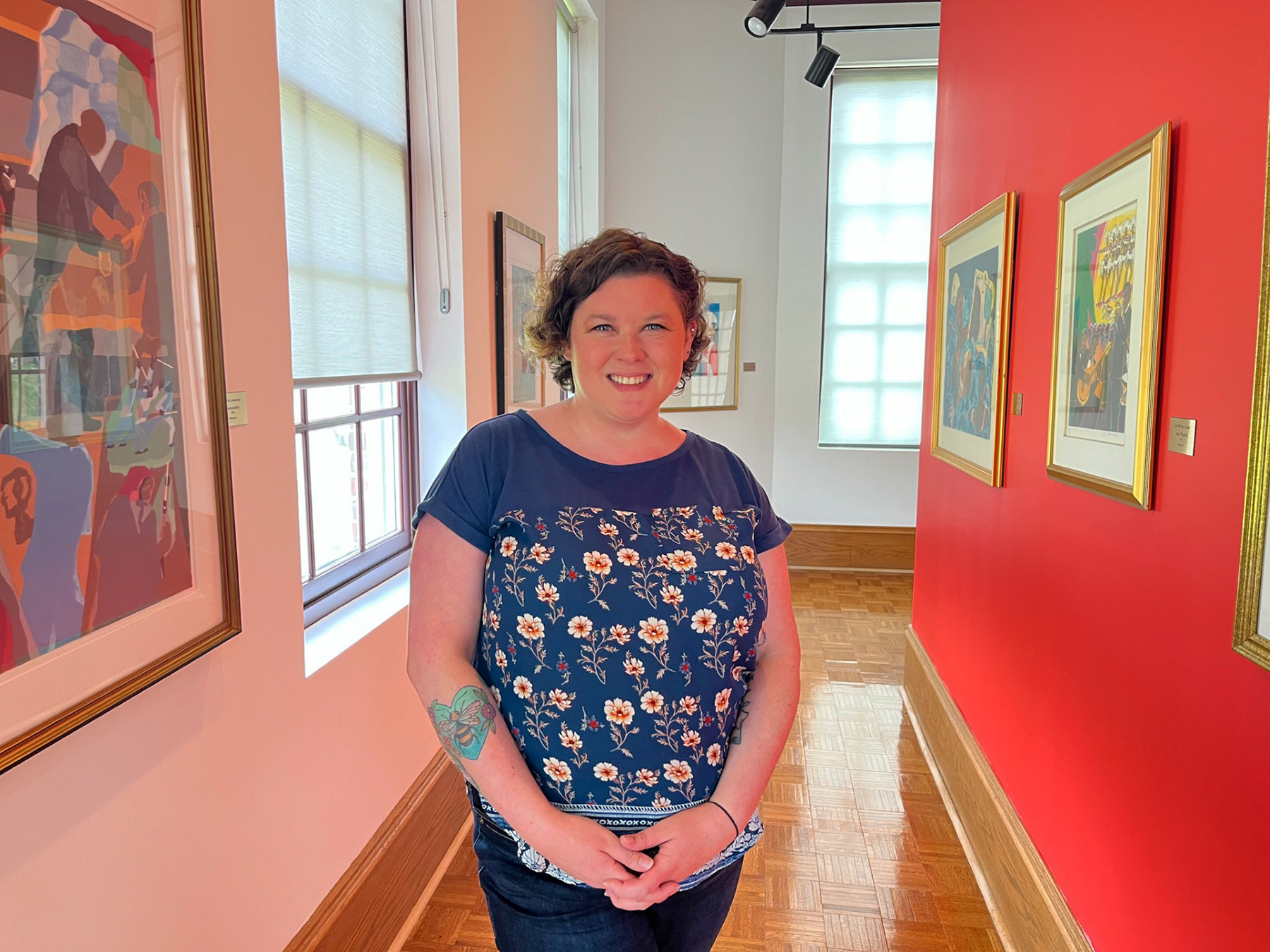
State Black Archives Welcomes New Archivist
The Alabama State Black Archives, Research Center and Museum at Alabama A&M University has reopened its doors to the public, welcoming visitors again to explore Alabama’s Black history inside James H. Wilson Hall at 300 Buchanan Way, a three-story building near the top of “The Hill.”
The museum, which for about 15 years operated primarily by appointment, is now open free of charge Tuesday through Friday from 9 a.m. to 4:30 p.m. Visitors can also arrange tours outside regular hours by contacting the archives staff.
The reopening coincides with the arrival of new curator and archivist Heather Adkins, a certified archivist who joined the University in November and is working to expand exhibits, improve access to the collections and reconnect the archives with the campus and community.
“I’ve only been here for a few short months, but it’s been exciting to help reopen the space and start thinking about what comes next,” said Adkins.
Adkins brings more than a decade of archives and public history experience to Alabama A&M. She earned a bachelor’s degree in history from Tennessee Tech University and a master’s degree in public history with an emphasis in archives management from Middle Tennessee State University.
Before arriving at AAMU, she worked for five years at the Tennessee State Library and Archives in Nashville, Tennessee, her hometown. She later spent seven years overseeing the Special Collections Department at the Huntsville-Madison County Public Library, where she managed historical records and local history collections.
Adkins said she discovered her career path while volunteering in archives as a student.
“When I was younger and decided I wanted to pursue history, I knew teaching wasn’t going to be the thing for me,” she said. “I started looking around and wondering what else I could do, and archives came up. I did a couple of volunteer experiences and just fell in love with it.”
The archives and museum serve as a preservation and research center dedicated to documenting the Black experience across Alabama. Its collections include historical documents, photographs, oral histories and works of art that reflect the state’s cultural and social history.
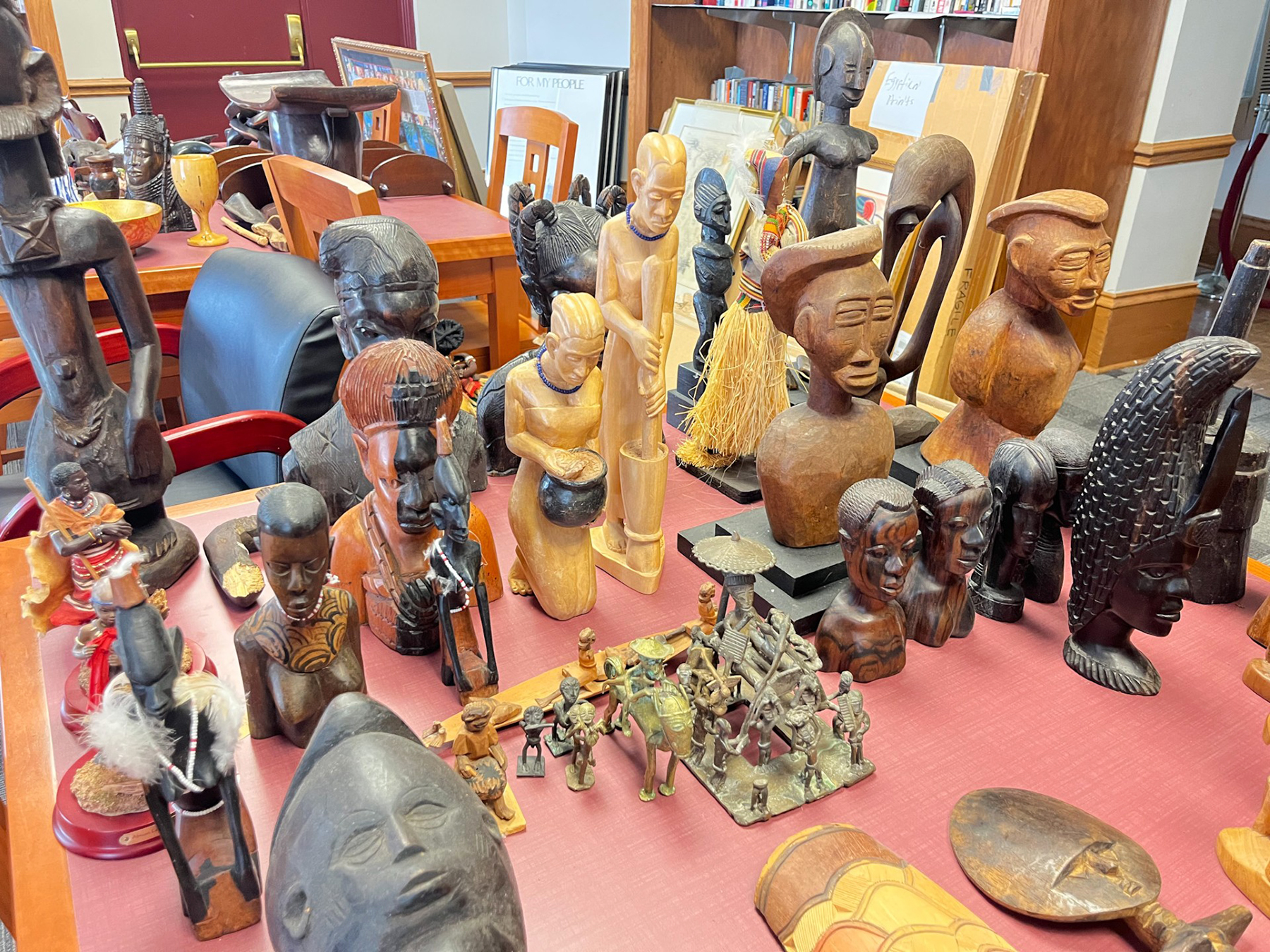
Among the featured pieces currently on display is a collection of African art from A&M alumna Velma A. Walker and former Alabama A&M University President Dr. Richard D. Morrison, who both traveled extensively across Africa.
“I am currently researching the African tribal statuary in the collections and have found that west African peoples focus their work around similar universal experiences – community, spirituality, colonial influence – but each nation and group brings aesthetics to the statuary that makes it uniquely identifiable to their culture and history,” said Adlkins.
The third floor also contains works from the Walker collection. Her estate donated hundreds of art pieces to the University in the mid-2000s. The display includes works by Black artists, many of whom Walker collected while living in Detroit, as well as pieces attributed to internationally recognized artists.
“This is only scratching the surface of the things she donated to us,” said Adkins. “There are roughly 200 items in the collection, and the pieces on display right now represent just a small portion of that.”
Adkins said one of her goals is to rotate artwork and artifacts periodically so returning visitors will see something new each time they visit.
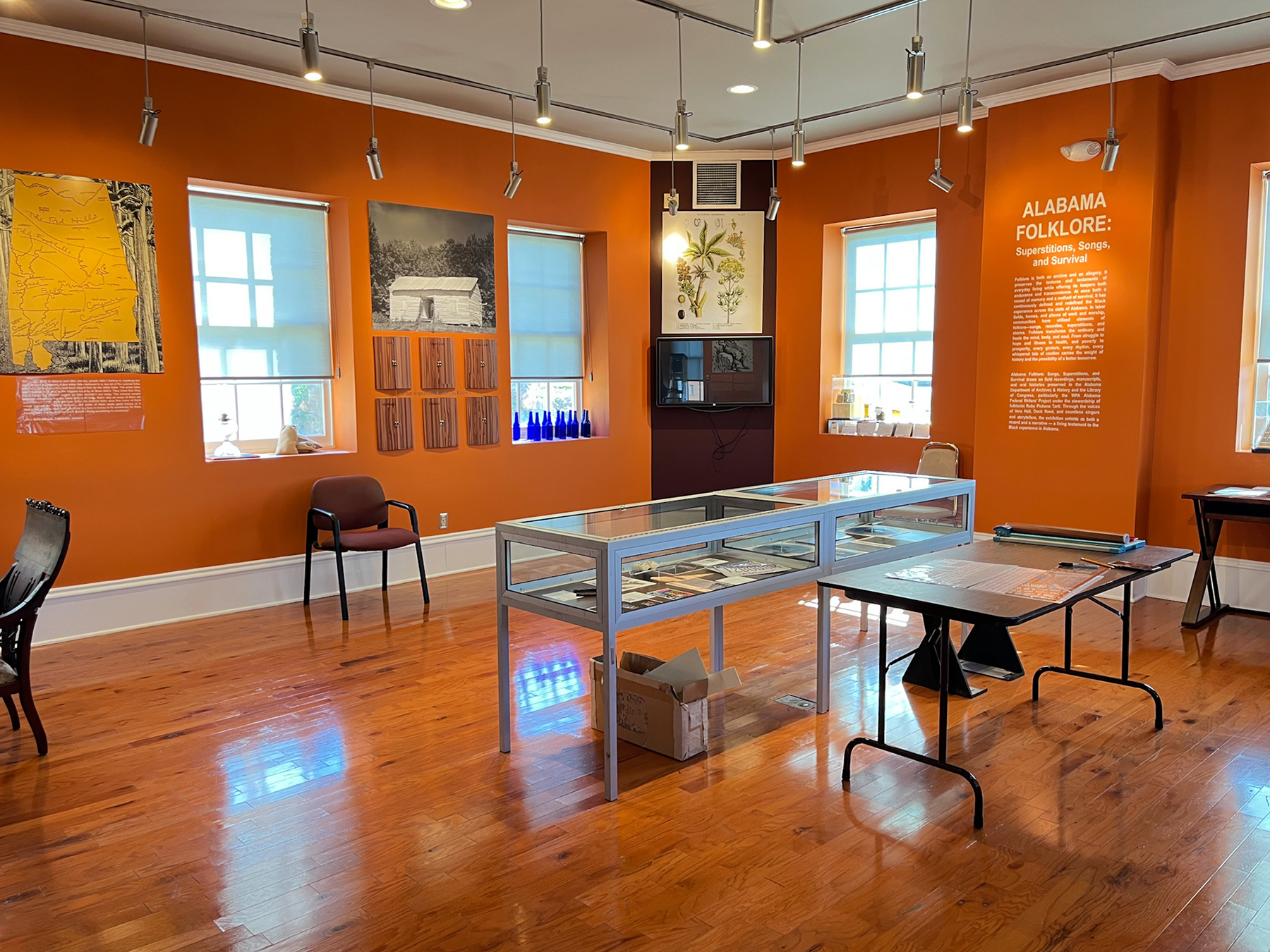
The museum also plans to launch a rotating history gallery, with new exhibits expected every six months. One upcoming exhibit explores Alabama folklore through stories, music and traditions that have shaped the state’s Black communities.
“Folklore is really a way of understanding how people passed down knowledge and culture,” Adkins said. “It shows how those traditions continue to influence life in Alabama today.”
Another future addition will be an oral history recording space where community members can preserve their personal stories for the archives.
“Individuals will be able to come in, record a story and leave that story as part of the archive,” Adkins said. “It helps us build a record of everyday experiences that might otherwise be lost.”
Beyond expanding exhibits, Adkins hopes to bring more students and local residents into the museum through educational programs, film screenings and partnerships with schools and local artists.
“I would love to get on the field trip circuit with local schools and introduce younger students to archives,” she said. “Even if they just come in to explore and ask questions, it helps them understand why history matters.”
Adkins said archives play a vital role in helping communities understand both the past and the present.
“It’s so important to understand that what has happened before eventually shapes what happens again,” she said. “When people look at these documents and stories, they begin to see how local history connects to the larger world.”
Located at the top of Alabama A&M’s historic campus, the Alabama State Black Archives, Research Center and Museum houses more than a century of stories tied to the University and to Black communities across the state.
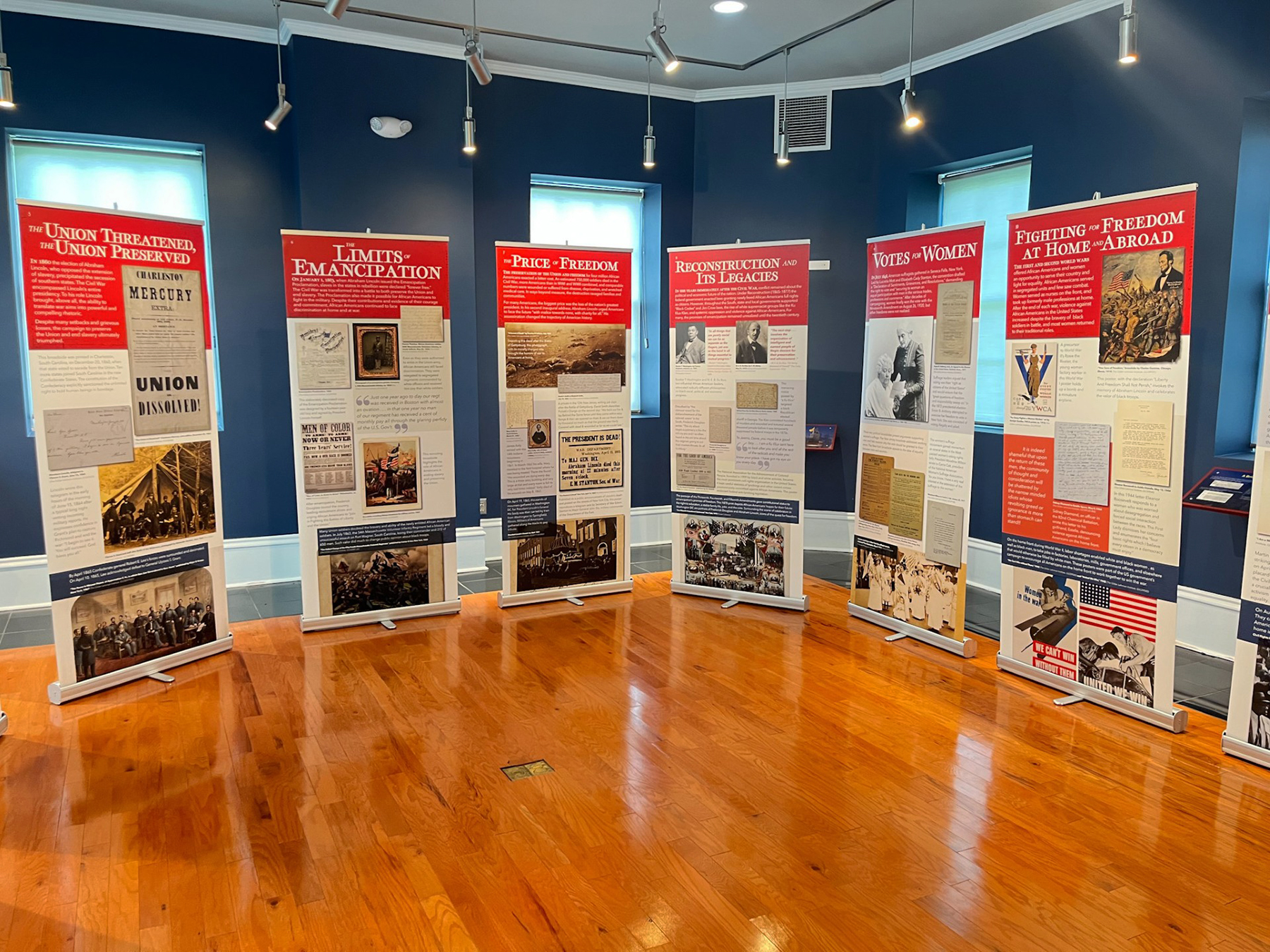
Now that the doors are open again, Adkins hopes more people will discover what has been preserved there.
“The more people who know about this place, the more they realize the history that’s here,” she said. “This museum belongs to the community, and we want people to come in and experience it.”
To learn more about the museum and upcoming displays visit State Black Archives, Research Center & Museum, Alabama | African American life and culture | 4900 Meridian Street North, Huntsville, AL, USA or follow the Musuem on Facebook and Instagram.