AAMU Economic Development Leader Made History as First Black Woman to Chair UEDA
Orok Selected for Marquis Who’s Who in America
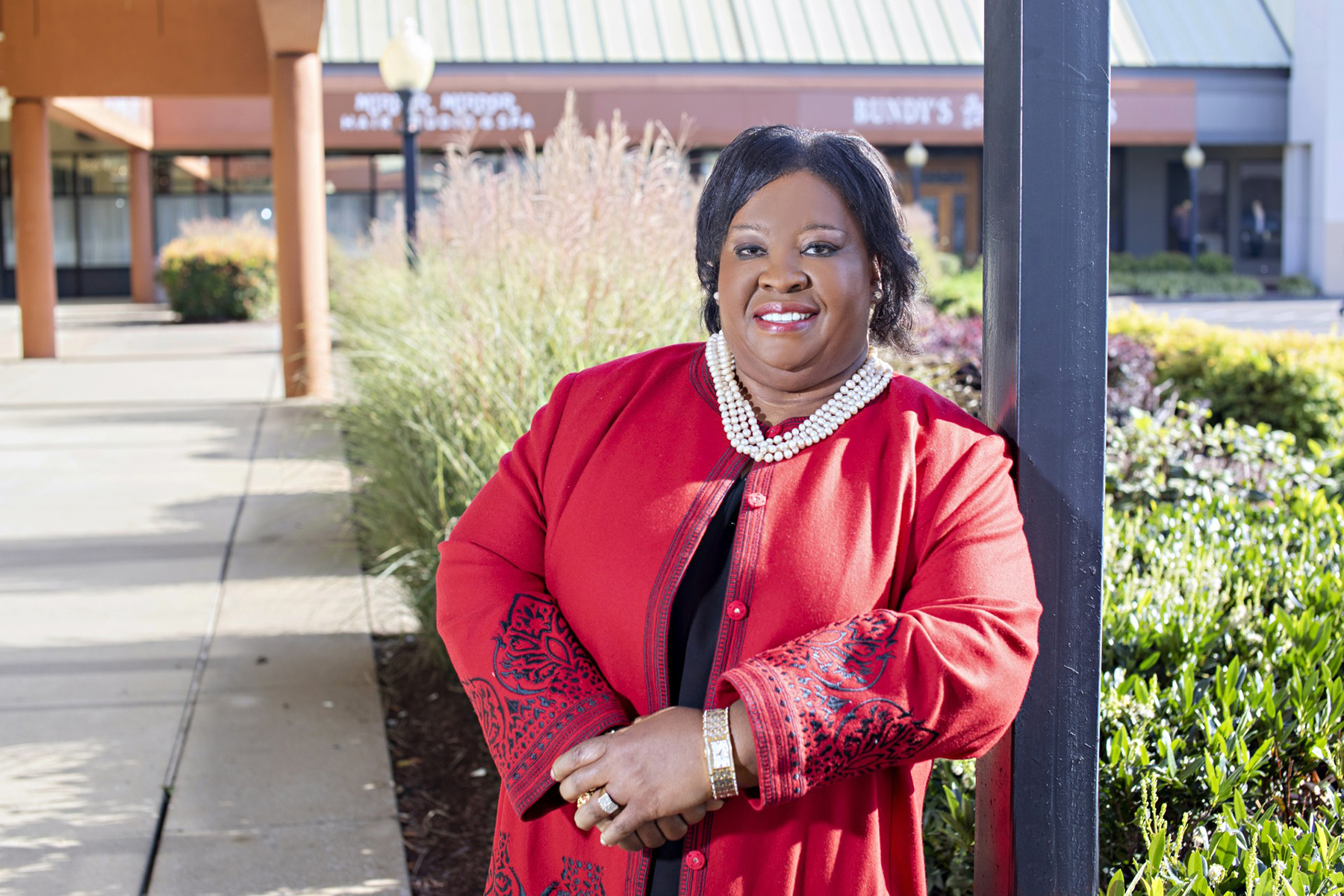
Dr. Teresa Merriweather Orok, founding executive director of Alabama A&M University’s Center for Entrepreneurship, Innovation and Economic Development, has been selected for inclusion in Who’s Who in America by Marquis Who's Who.
Founded in 1899, Marquis Who’s Who in America has chronicled the lives of influential leaders and innovators across politics, business, medicine, law, education, arts and entertainment. The publication remains a longstanding biographical resource for researchers, journalists and executive search firms worldwide.
“I am deeply honored by this recognition from Marquis Who’s Who,” Orok said. “For me, it reflects not just a personal milestone, but the collective work of Alabama A&M University and our partners who believe that higher education must be a catalyst for inclusive growth, innovation and opportunity. This acknowledgment affirms our responsibility to continue building systems that expand access, strengthen communities and position HBCUs as essential architects of America’s economic future.”
An accomplished expert in economic and business innovation, Orok brings more than 35 years of experience in grants management, economic development, government partnerships and higher education administration. At Alabama A&M, she leads the Center for Entrepreneurship, Innovation and Economic Development, aligning research, workforce systems, entrepreneurship and industry engagement to strengthen regional competitiveness and expand economic opportunity. Formerly, Orok served as vice president of the AAMU Office of Research and Sponsored Programs and Community Engagement.
Her national profile expanded during her tenure as president of the University Economic Development Association, where she made history as the first Black woman to lead the organization. Under her leadership, Alabama A&M hosted UEDA’s national conference, marking the first time in the association’s 50-year history that a historically Black college or university served as host. Prior to that, Orok was appointed to UEDA's Board of Directors.
Throughout her career, Orok has built what she describes as the “connective tissue” of economic ecosystems, integrating government, industry, philanthropy, community leadership and academia into coordinated strategies designed to produce long-term impact. Her work bridges federal agencies and local communities, ensuring economic systems are both competitive and inclusive.
Before joining Alabama A&M, Orok held leadership roles at Fort Valley State University and Albany State University in Georgia and served within the Fulton County Board of Commissioners in Atlanta during a transformative era of civic leadership. She has helped secure tens of millions of dollars in federal and philanthropic funding from partners including the U.S. Department of Housing and Urban Development, the U.S. Department of Labor and NASA, expanding workforce development initiatives, housing programs and youth opportunity efforts. These initiatives aided in building out opportunities for communities to realize economic competitiveness, revitalization, and sustainability.
Among her landmark achievements, she helped her institution become the first historically Black college or university to receive a HUD HBCU Economic Development Grant, reinforcing institutional capacity and national credibility.
Orok also has served in leadership roles with the Association of Public and Land-grant Universities and, in 2020, was selected as a fellow of the Appalachian Regional Commission, becoming the first African American and first representative of a historically Black college or university to receive that distinction.
Her recognition by Marquis Who’s Who underscores a career defined not only by positions held, but by systems built — platforms that expand opportunity, partnerships that scale impact and institutional models demonstrating how higher education can serve as the architecture of equitable and globally competitive prosperity.