Landmark Desegregation Case Transformed Higher Education and Expanded Opportunities for Generations of Students
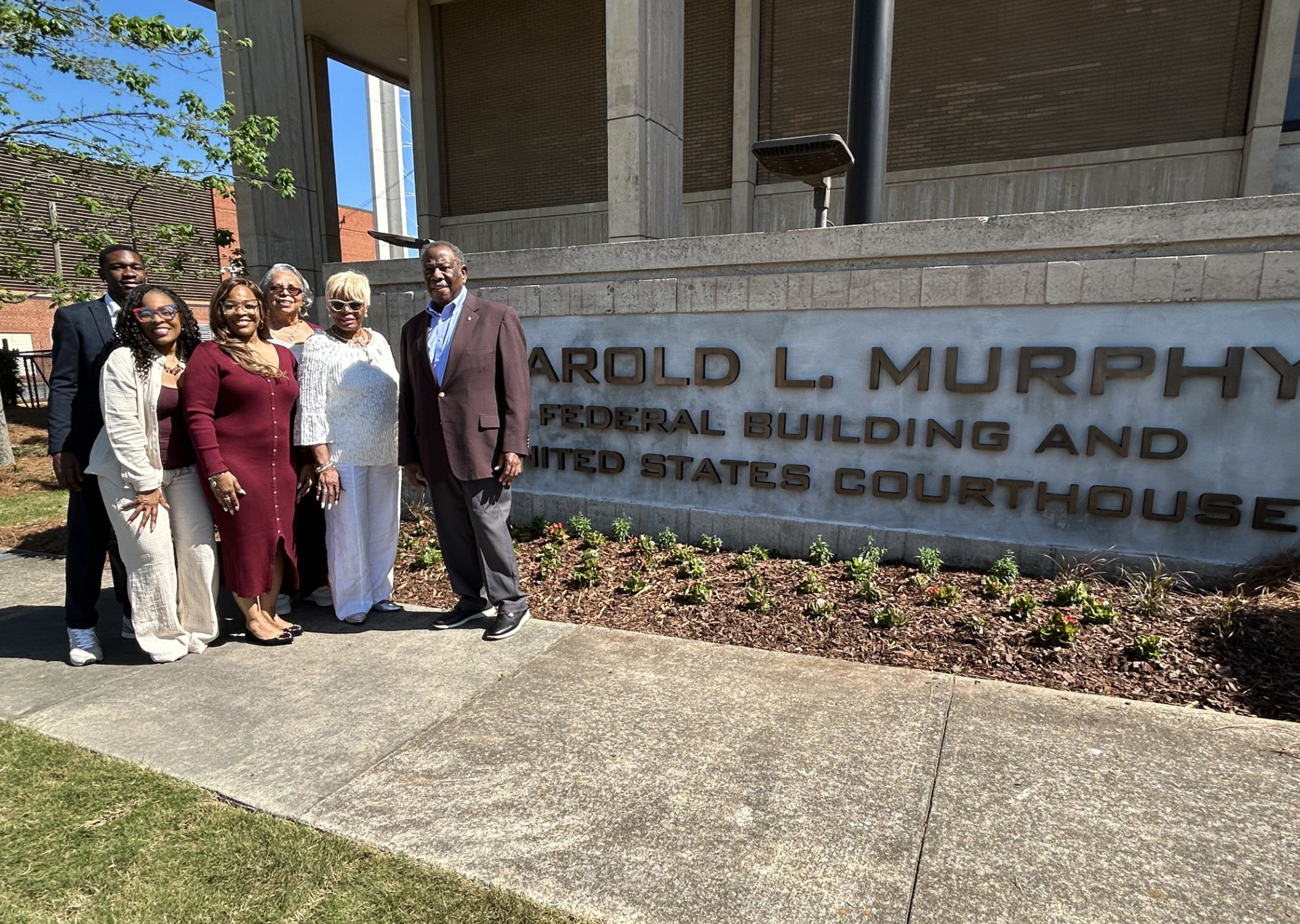
AAMU's Legacy in Knight v. Alabama Honored Through Judge Murphy Courthouse Renaming
A pivotal chapter in the history of Alabama A&M University and higher education in Alabama was recently commemorated when the federal courthouse in Rome, Georgia, was officially renamed the Harold L. Murphy Federal Building and United States Courthouse in honor of the late U.S. District Judge Harold L. Murphy.
Hosted by the U.S. District Court for the Northern District of Georgia, the Rome Bar Association and the Atlanta Chapter of the Federal Bar Association, the ceremony celebrated Murphy's distinguished judicial career and his central role in overseeing Knight v. Alabama, one of the nation's most significant higher education desegregation cases.
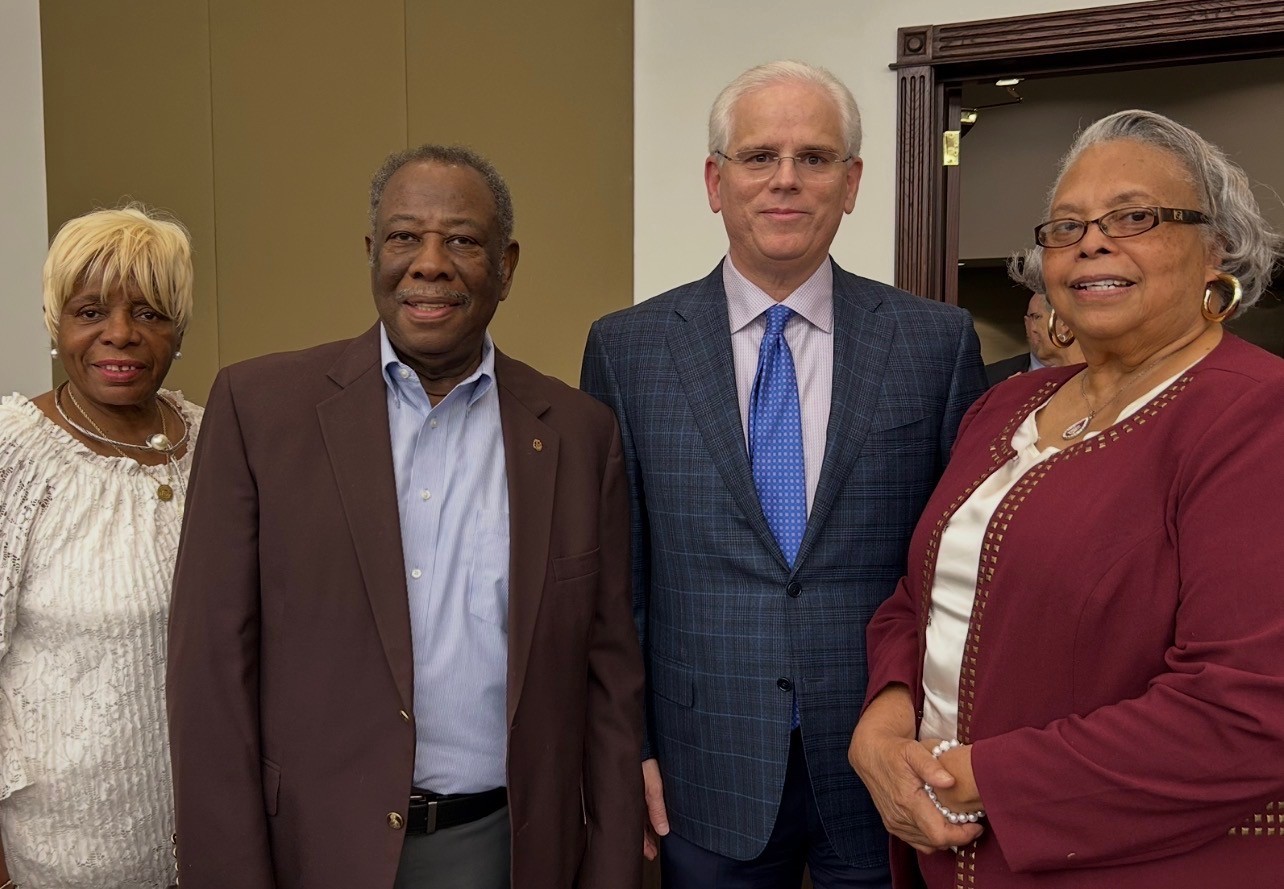
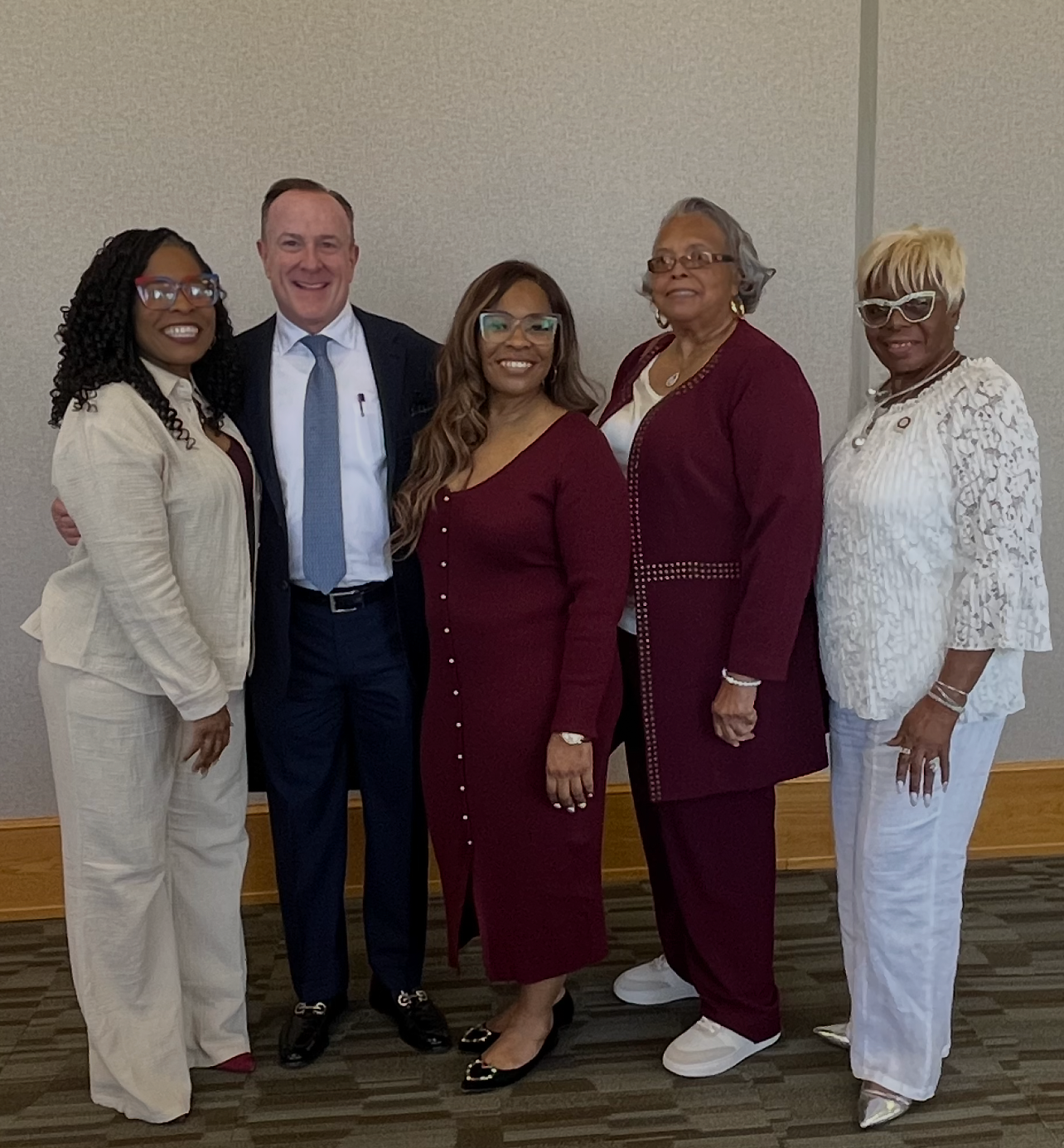
Among those attending the courthouse renaming ceremony were Dr. Alease Sims, an Alabama A&M alumna and key plaintiff in the case; Judge Murphy’ s sons Judge Mark Harold Murphy and Attorney Paul Bailey Murphy; Alabama A&M alumnae Theia L. Byars and Themetria Byars; current Alabama A&M student Theopholis Byars; former Alabama A&M University Alumni Association National Secretary Tommie Byars; and former National President Robert Crenshaw. Their presence underscored the enduring significance of the case and the generations of students who have benefited from its outcomes.
Filed in 1981, Knight v. Alabama challenged policies and practices that plaintiffs argued continued to perpetuate segregation within Alabama's higher education system long after legally mandated segregation had ended. The lawsuit contended that historically Black institutions, including Alabama A&M University and Alabama State University, were systematically underfunded, faced inequitable admissions policies and lacked adequate state-supported financial aid opportunities compared with traditionally white institutions.
Among the leading voices in the litigation were John F. Knight Jr., an influential figure associated with Alabama State University, and Dr. Alease S. Sims, whose unwavering advocacy helped sustain the case for more than two decades. Sims earned a Bachelor of Science degree in secondary education from AAMU in 1969 and a Master of Science degree in secondary education in 1974. As one of the lawsuit's most persistent advocates, she helped secure transformative investments that strengthened Alabama A&M University and expanded educational opportunities for generations of students across the state.
The case was conducted in two phases. During the liability phase, the State of Alabama was found to have operated a dual system of higher education. The remedy phase focused on eliminating the remaining vestiges of segregation through reforms in admissions, financial aid, academic programming, faculty diversity, infrastructure investments and institutional support.
Presiding over the remedy phase from Rome, Georgia, Murphy approved a series of agreements and court orders designed to address longstanding inequities. His rulings directed substantial investments toward Alabama A&M University and Alabama State University, helping strengthen their academic missions and long-term sustainability.
A landmark desegregation agreement was reached in 1995, with final settlements approved in 2006. Murphy ruled that Alabama had eliminated the vestiges of segregation to the extent practicable and consistent with sound educational practice, bringing the 25-year case to a close and ending federal oversight of the state's higher education system.
The litigation resulted in the state committing hundreds of millions of dollars to address the effects of segregation. For Alabama A&M University, those investments supported new facilities, expanded scholarship opportunities, strengthened endowments, enhanced academic programs and increased institutional resources that continue to benefit students today.
The agreements also helped expand need-based financial aid opportunities across Alabama and promoted greater diversity among faculty and administrators throughout the state's higher education system.
Murphy died Dec. 28, 2022, at the age of 95 in Rome, Georgia, where he presided over many of the proceedings that helped reshape higher education in Alabama.
Today, the Harold L. Murphy Federal Building and United States Courthouse stands as a tribute not only to a respected jurist but also to the plaintiffs, educators and advocates who fought for educational equity. For Alabama A&M University, the legacy of Knight v. Alabama remains visible in the opportunities created for students, the investments made in the institution and the continued pursuit of excellence envisioned by those who challenged inequality and demanded change.
From left, Theopholis Gibson,Theia Byars, Themetria Byars, Dr. Alease Sims, Tommie Byars, Robert Crenshaw.