Longtime Research Leader and WTARS Manager Leaves Enduring Legacy in Bioenergy, Crop Innovation and Student Mentorship
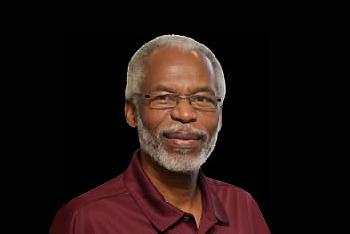
Alabama A&M Mourns the Loss of Pioneering Agricultural Scientist Dr. Ernst Cebert
Alabama A&M University is mourning the loss of Dr. Ernst Cebert, a longtime scientist, educator and research leader whose work helped shape the University’s contributions to agricultural innovation and sustainable systems.
Cebert served for nearly three decades at Alabama A&M University as a research associate professor and manager of the Winfred Thomas Agricultural Research Station (WTARS). A plant breeder and geneticist, he dedicated his career to advancing crop development, renewable energy research and farmer outreach while mentoring generations of students and strengthening partnerships across the agricultural community.
He earned his bachelor’s and master’s degrees in plant and soil science from Alabama A&M University and his doctorate in plant breeding and genetics from Purdue University. His early research contributed to advances in disease resistance, cold tolerance and yield improvement, including the discovery of a new gene for Hessian fly resistance in durum wheat.
At Alabama A&M, Cebert led and expanded research programs in bioenergy and industrial crops, including canola, hemp, miscanthus and barley. His work addressed real-world challenges such as sustainability, crop adaptation and value-added agricultural products. He helped secure millions of dollars in external funding to support research in genetics, climate-resilient agriculture and workforce development.
Cebert was instrumental in establishing a winter canola breeding program for the Mid-South and played a key role in launching the University’s industrial hemp pilot program. Through collaborations with federal agencies, including United States Department of Agriculture research units, and partnerships with institutions such as Oregon State University, Cebert helped position Alabama A&M as a leader in emerging agricultural systems and bioenergy research.
Known for his ability to connect people and ideas, Cebert built strong relationships with farmers, industry partners and research institutions. As manager of WTARS, he supported field research, student training and community engagement, ensuring that the University’s work remained both scientifically rigorous and practically impactful.
Even after retirement, he remained actively involved in research and workforce development initiatives, continuing to support innovative projects and mentor students and colleagues.
Beyond his professional accomplishments, Cebert will be remembered for his kindness, humility and unwavering commitment to others. Colleagues and students recall his open-door approach, his encouragement and his ability to inspire those around him.
Born in Port-au-Prince, Haiti, he was the eldest of six children and later served in the U.S. Air Force as a weather specialist. His life’s journey reflected a deep commitment to education, service and community. He is survived by his wife, Rhona Miller-Cebert; his children; grandchildren; and extended family.
A memorial service is scheduled for Sunday, April 12, at 11 a.m. at First Seventh-day Adventist Church, 1303 Evangel Drive in Huntsville, Ala.
Cebert’s legacy endures through the programs he built, the partnerships he strengthened and the many lives he influenced. His impact will continue to shape Alabama A&M University and the broader agricultural community for years to come.