Phase II Brings AI, Virtual Reality and Entrepreneurship Training to More Communities
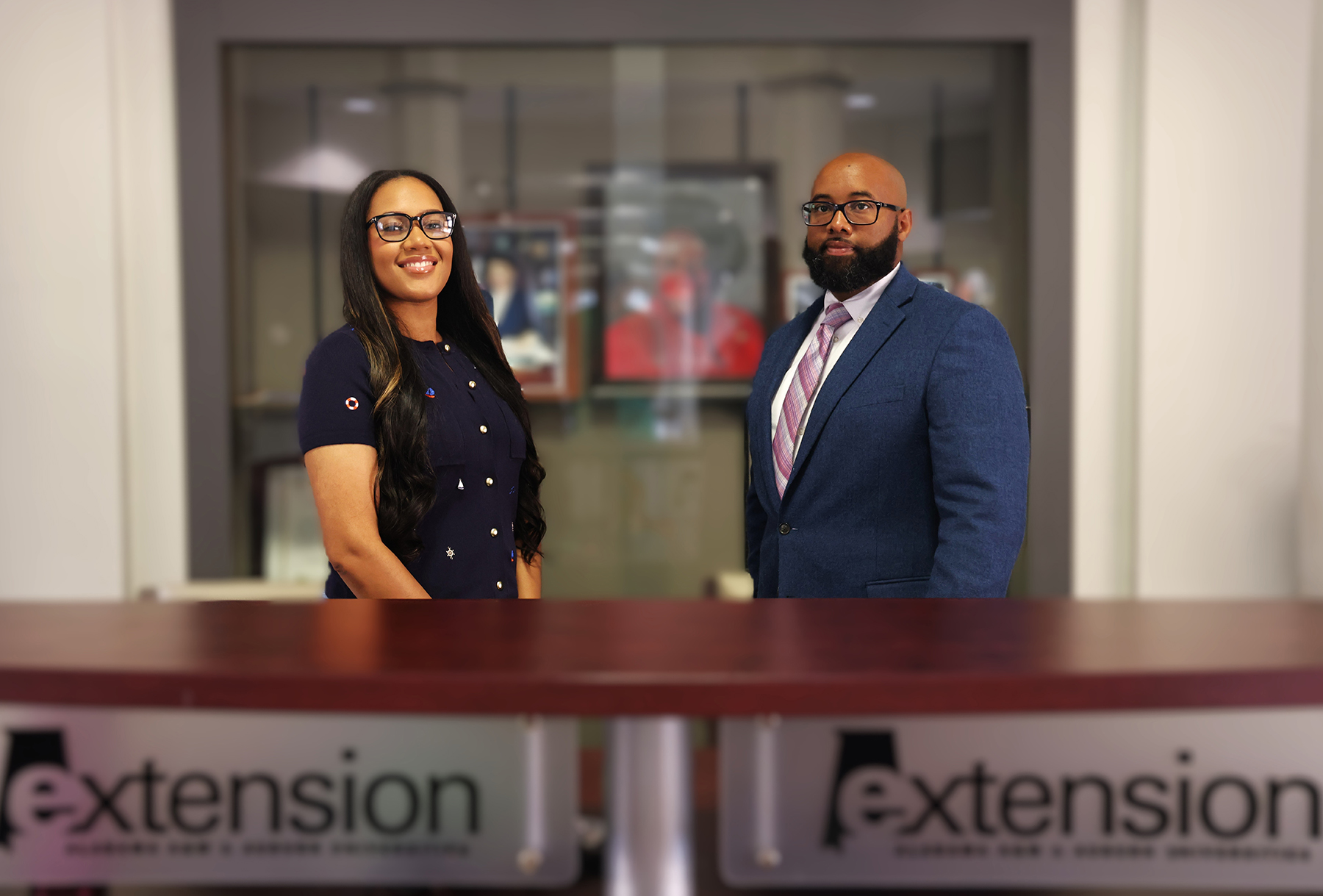
AAMU Receives $400,000 USDA Grant for Upward Alabama Expansion
Alabama A&M University has received a $400,000 Capacity Building Grant from the U.S. Department of Agriculture’s National Institute of Food and Agriculture (USDA-NIFA) to expand an innovative workforce and entrepreneurship initiative that uses artificial intelligence, machine learning and virtual reality technologies to prepare Alabamians for career and business success.
The grant will support Upward Alabama Phase II, a program led by the Alabama A&M University Cooperative Extension System’s Community Resource Development team. Building on the success of the original Upward Alabama initiative, the new phase will extend services beyond Madison, Jefferson, Montgomery and Mobile counties into Dallas, Lowndes and Macon counties.
The initiative is designed to strengthen economic opportunity by helping residents gain workforce skills, earn industry-recognized credentials and pursue entrepreneurship through technology-enhanced training experiences.
Marisa Hawkins, urban regional Extension agent, and Terence Norwood, state Extension specialist co-authored the USDA-NIFA grant proposal and developed the vision for Upward Alabama Phase II, building on the foundation established through the original Upward Alabama initiative.
“Upward Alabama Phase II represents more than a program — it represents a shift in how we connect people to opportunity,” said Marisa Hawkins, urban regional Extension agent. “By combining innovative tools like artificial intelligence and virtual reality with strong community partnerships, we are creating pathways that are both accessible and transformative. I’m proud to have helped shape a vision that meets people where they are, builds on the strengths already in our communities and opens doors for long-term economic mobility across Alabama.”
A hallmark of the program is its technology-first approach to workforce development. Participants will engage in self-paced virtual training that incorporates immersive simulations designed to replicate real-world workplace and business scenarios. Through virtual reality experiences, participants can practice job skills, build confidence and prepare for careers in high-demand industries.
Artificial intelligence and machine learning technologies will personalize the learning experience by helping participants identify appropriate training pathways and progress at a pace that matches their individual needs and goals.
The initiative also emphasizes collaboration with local organizations. County-based support hubs will provide access to technology, mentorship and hands-on assistance while complementing existing workforce and community development efforts.
“Our goal is to strengthen what is already working in communities,” Norwood. “We are bringing new tools, new technologies and additional resources to complement local efforts and expand opportunities, not replace them.”
Through its Go-Getter Pathway Programs, Upward Alabama Phase II aims to serve up to 300 participants through workforce and entrepreneurship training.
The Go-Getter Career Pathway will focus on helping residents obtain industry-recognized micro credentials aligned with Alabama’s workforce needs.
The Go-Getter Entrepreneur Pathway will help aspiring business owners develop business models, identify target markets, strengthen operations, create sales strategies and access capital resources.
Participants will also receive individualized support, mentorship and referrals through a network of community colleges, nonprofits and workforce development partners.
The project includes a research component that will evaluate long-term participant outcomes and help identify best practices for integrating artificial intelligence and virtual reality technologies into workforce education. Findings will support broader efforts to scale technology-driven workforce development programs across 1890 land-grant institutions.
As part of the expansion, new Go-Getter Partner Hubs will be established in Dallas, Lowndes and Macon counties, bringing together at least 15 partner organizations to increase access to workforce opportunities and promote equitable hiring and contracting practices.
Project leaders expect the initiative to contribute to measurable outcomes, including increased income through employment and entrepreneurship, sustained workforce participation, reduced reliance on public assistance and expanded access to skills and credentials that support career advancement.
The Community Resource Development program within Alabama A&M University’s Cooperative Extension System works to strengthen communities through workforce development, entrepreneurship education, leadership training and initiatives that expand economic opportunity across Alabama.
Organizations interested in partnering with Upward Alabama Phase II are encouraged to contact the Alabama A&M University Cooperative Extension System at 256-372-5023 or by visiting https://www.aces.edu/blog/topics/products-programs-urban/community-resource-development/