Former Harvard football standout follows passion for scientific discovery to AAMU
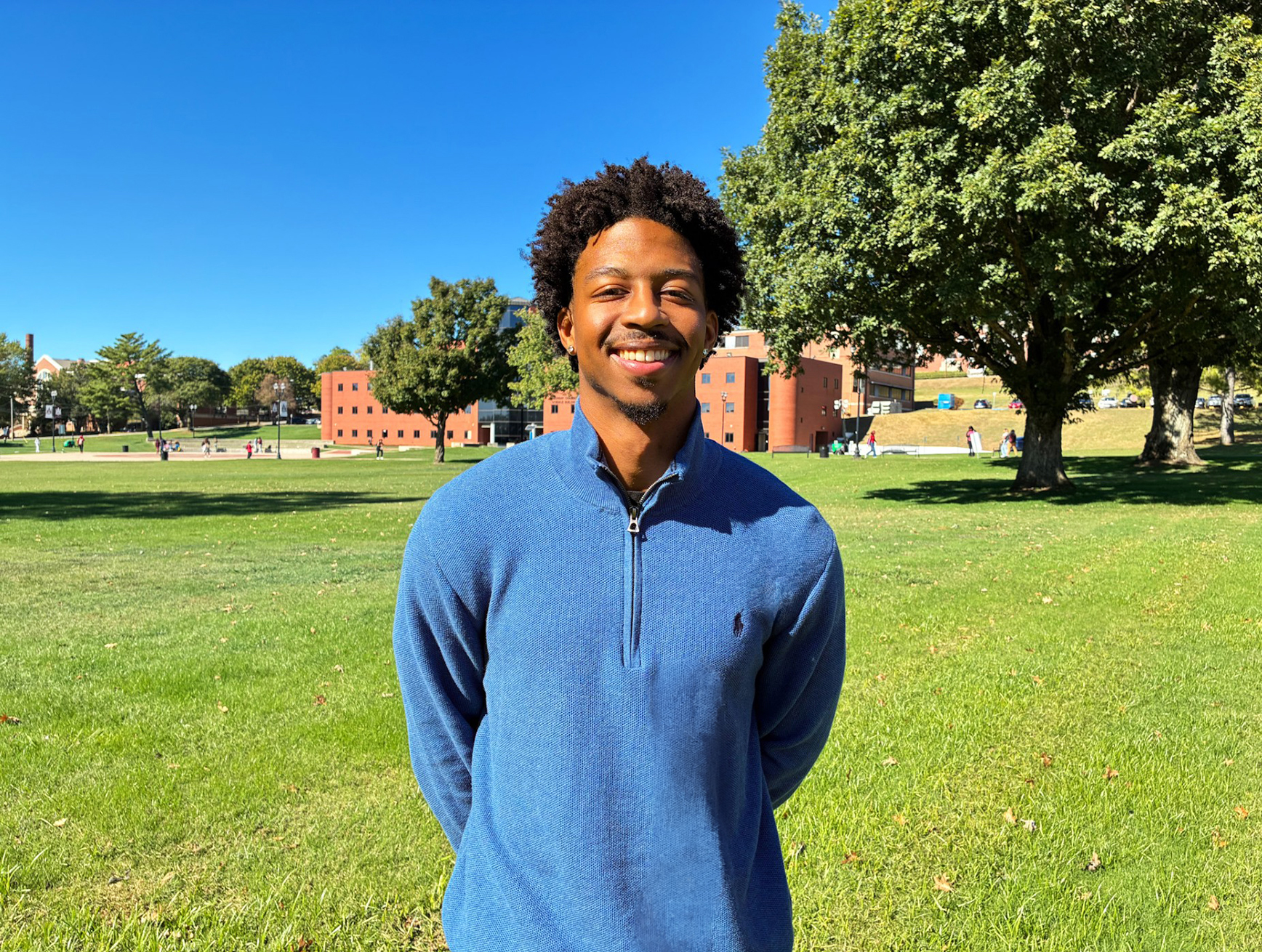
From Harvard to The Hill, Shipman Pursues Ph.D., Builds on Family Legacy
From the football field at Harvard University to the research laboratories at Alabama A&M University, Gavin Shipman’s academic journey has brought him to The Hill, where he is combining an Ivy League education, a passion for scientific discovery and a longstanding family legacy.
A native of Alabaster, Alabama, Shipman enrolled at AAMU in summer 2026 to pursue a doctorate in food science, building on his background in neuroscience and business to explore the relationship between nutrition, brain health and disease prevention.
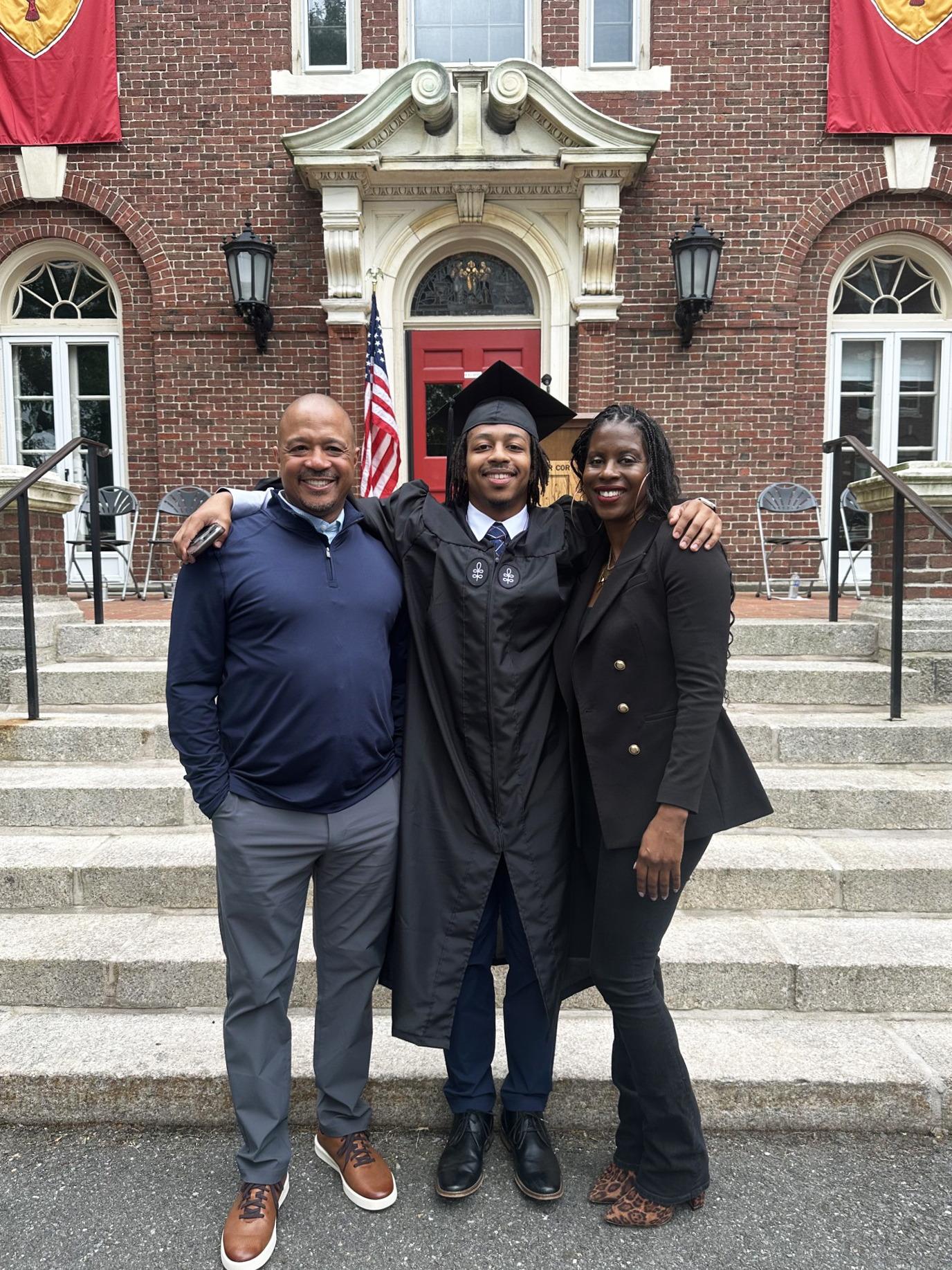
A former Harvard cornerback, Shipman earned his undergraduate degree in neuroscience before completing a Master of Business Administration at the University of North Carolina at Charlotte. He is now applying that interdisciplinary background to research in nutritional biochemistry and functional food product development.
“Given my background in neurobiology and business, I believe food science is a great fit for me, especially in the area of functional food product development,” Shipman said.
His research explores the potential role of fruits in preventing or delaying the onset of neurodegenerative diseases, with an emphasis on translating scientific findings into practical applications.
Shipman said the opportunity to study under Dr. Martha Verghese, chair of the Department of Food and Animal Sciences, was a deciding factor in choosing AAMU. Her expertise in functional food development closely aligns with his research interests and career aspirations.
While his educational journey has taken him to prestigious institutions, Shipman’s connection to Alabama A&M began long before his enrollment. Growing up attending Bulldog football games, he developed an early appreciation for the University and its traditions.
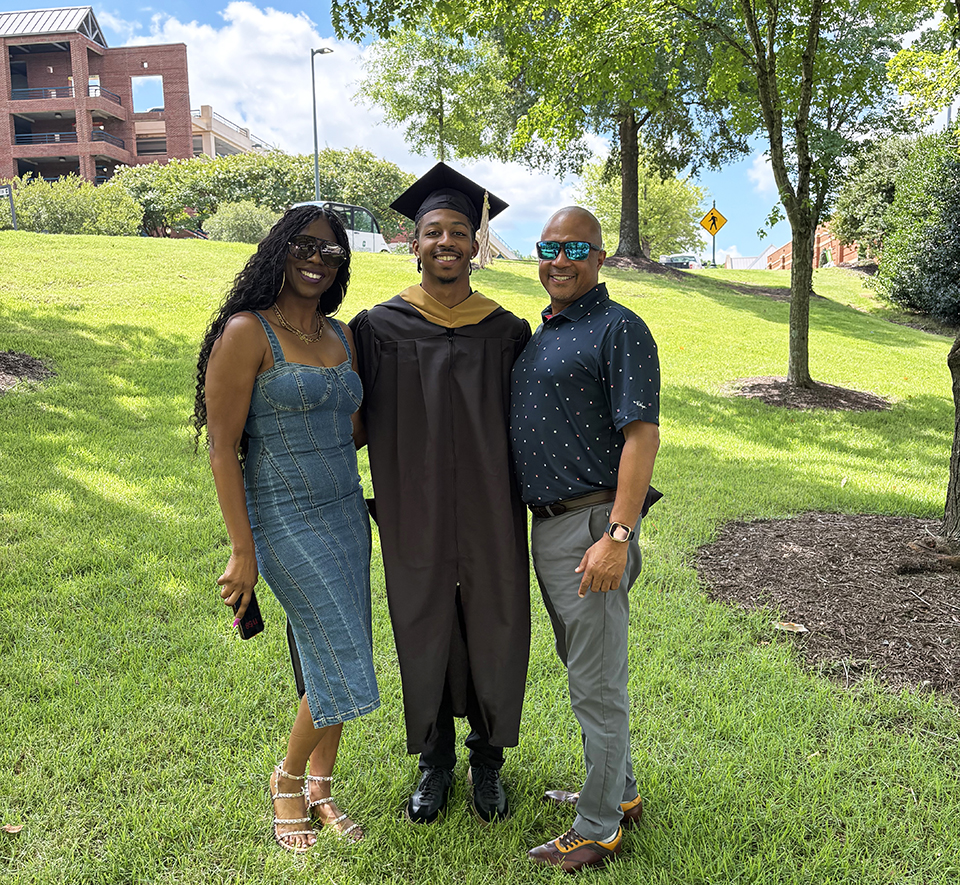
“My family is excited,” Shipman said. “Both of my parents went to A&M, and I have countless other family members that graduated from here also.”
His father, Guyon Shipman, graduated from AAMU in 1996 with a degree in soil science and a minor in chemistry. His mother, Aleia Shipman, earned her degree in communicative sciences and disorders from AAMU in 2000.
Proximity to home was another factor in Shipman’s decision to attend AAMU, along with the sense of community he associates with historically Black colleges and universities.
“There is a very supportive community among HBCUs,” he said.
Since arriving on campus, Shipman has developed strong relationships with faculty and fellow graduate students.
“So far it's been amazing,” he said. “I have a really good relationship with my advisor, and all of the other students have been very welcoming.”
Although his focus has shifted from athletics to academics, Shipman hasn't completely stepped away from football. He continues to play intramural flag football and enjoys participating in campus events. His Bulldog allegiance, however, predates his enrollment.
“I grew up going to these games, so I have always kind of been a Bulldog fan,” he said.
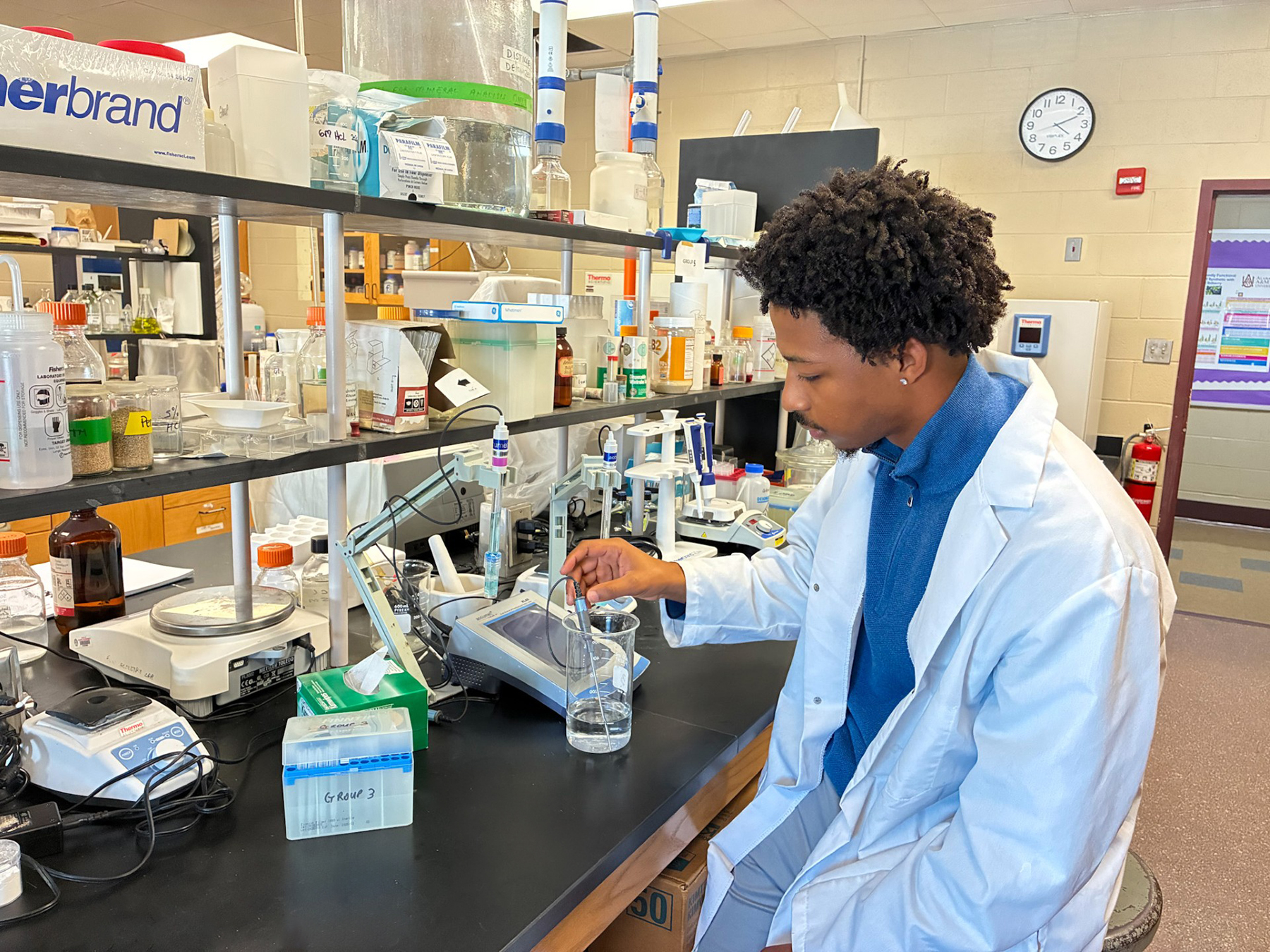
Looking ahead, Shipman is eager to gain hands-on research experience and explore the potential of food as medicine. He is particularly interested in moving beyond scientific theory to develop products that could improve health outcomes.
“Putting theory into practice with my research topic,” he said, is what he looks forward to most.
Shipman expects to complete his doctorate in May 2029 and hopes to pursue a career in the food industry, preferably in product development or corporate innovation. His ambitions extend beyond creating new products to addressing broader challenges involving nutrition, food access and public health.
For Shipman, the journey from Harvard to The Hill represents more than another academic achievement. It is an opportunity to build on his family’s Bulldog legacy while pursuing research with the potential to make a lasting difference.
His ultimate career goal is simple but meaningful: “To help people and bridge the gap between food insecurity and health disparities.”